

The 19th International and 55th Annual ELTAI Conference
Lessons Taught,
Lessons Learnt:
Teacher and Learner Narratives
Concept Note
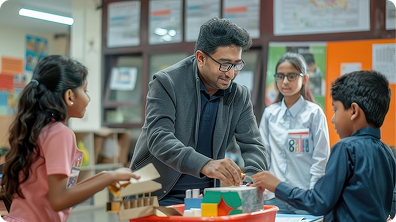
Classrooms are major learning spaces and teachers’ role is to facilitate student learning. Every teacher as well as learner has a story to tell – of creativity, disappointment, discovery, elation, empowerment, frustration, helplessness, success, and so on. Every story matters; every voice counts. Every narrative is a recognition of learning for teacher and learner alike. It is important to share these learnings for making teaching and learning effective.
In recent times, English language and literature classrooms have seen enormous changes, challenges, and opportunities. We need to explore approaches that not only enhance language learning but also foster critical thinking, empathy, civic and social responsibility, environmental awareness and community engagement in learners. Our classrooms must provide scope for personal experiential journeys; experiments in pedagogy and assessment; personal and professional ethics; and teachers’ and learners’ personal and professional growth.
Today, teaching and learning English is also impacted by technological interventions, such as generative AI, nudging teachers to reimagine the teaching-learning process and requiring them to take on new roles and responsibilities. Besides, discussions on teacher and learner identity and autonomy, and sustainable education and development require that we empower teachers and learners to narrate their experiences and learn from such narratives.
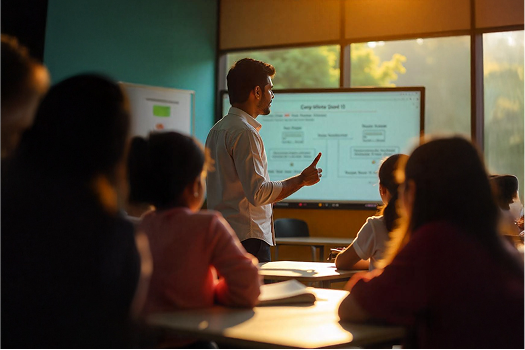

We invite you – teachers and students – to share your personal and professional interactions with other educators and learners and highlight your learning moments both inside and outside classrooms, in the changing teaching-learning environment, and we invite a variety of presentations of your narratives.

We also encourage researchers, professionals in other fields, and parents to share their learning experiences (past and present), and articulate their expectations based on their experiences.

Policymakers, industry professionals, education consultants and independent researchers are also welcome to present their experiences, findings, and observations on current pedagogical practices, technology integration, interdisciplinary approaches, and community engagement.
