
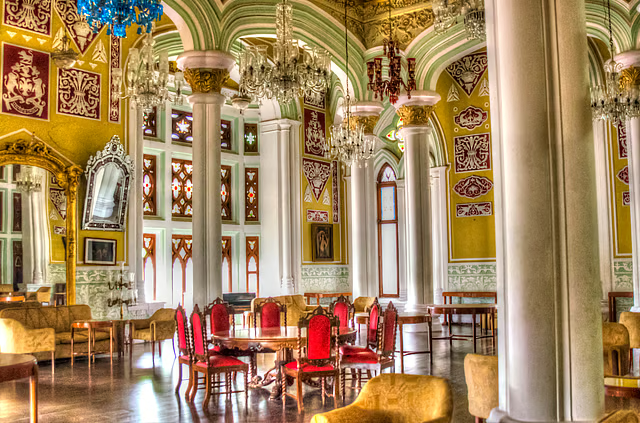
 Bengaluru Palace is a 19th-century royal palace located in
Bengaluru, Karnataka, India, built in an area that was owned by the Rev. John Garrett, the first
principal of the Central High School in Bangalore. The palace was commissioned for the Maharaja
of Mysore, Chamarajendra Wadiyar X, and currently belongs to the current head of the Wadiyar
dynasty, Yaduveer Krishnadatta Chamaraja Wadiyar.
Bengaluru Palace is a 19th-century royal palace located in
Bengaluru, Karnataka, India, built in an area that was owned by the Rev. John Garrett, the first
principal of the Central High School in Bangalore. The palace was commissioned for the Maharaja
of Mysore, Chamarajendra Wadiyar X, and currently belongs to the current head of the Wadiyar
dynasty, Yaduveer Krishnadatta Chamaraja Wadiyar.
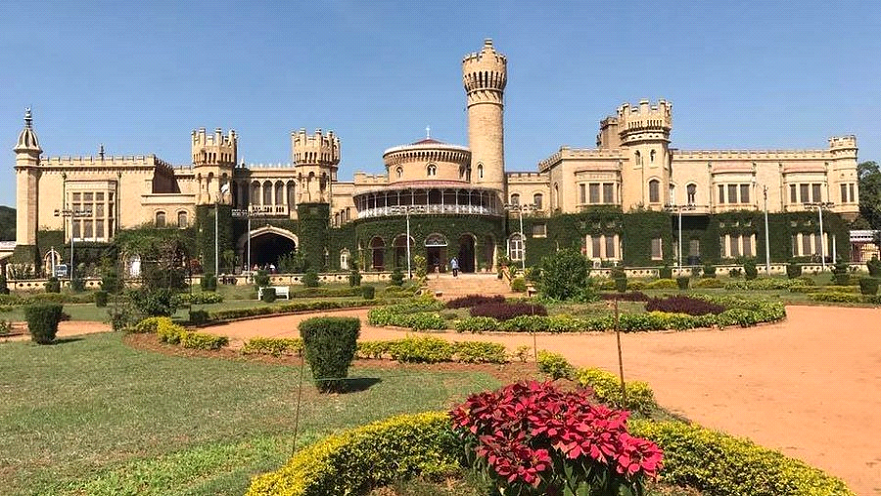
Palatial
estate blending British and Indian
styles, surrounded
by lush gardens and adorned with intricate architecture. Includes an informative audio guide for
historical context.

Places to Visit
Event Pricing
Book your seat now
 Basic Pass
$43
- Back Row Seat
- Free Lunch & Snacks
- Event Certificate
- 1 Workshop
Basic Pass
$43
- Back Row Seat
- Free Lunch & Snacks
- Event Certificate
- 1 Workshop
Basic Pass
$43
- Back Row Seat
- Free Lunch & Snacks
- Event Certificate
- 1 Workshop
Event Pricing
Book your seat now
$43
- Back Row Seat
- Free Lunch & Snacks
- Event Certificate
- 1 Workshop
$143
- Back Row Seat
- Free Lunch & Snacks
- Event Certificate
- 1 Workshop
$243
- Back Row Seat
- Free Lunch & Snacks
- Event Certificate
- 1 Workshop
Organised by ELTAI
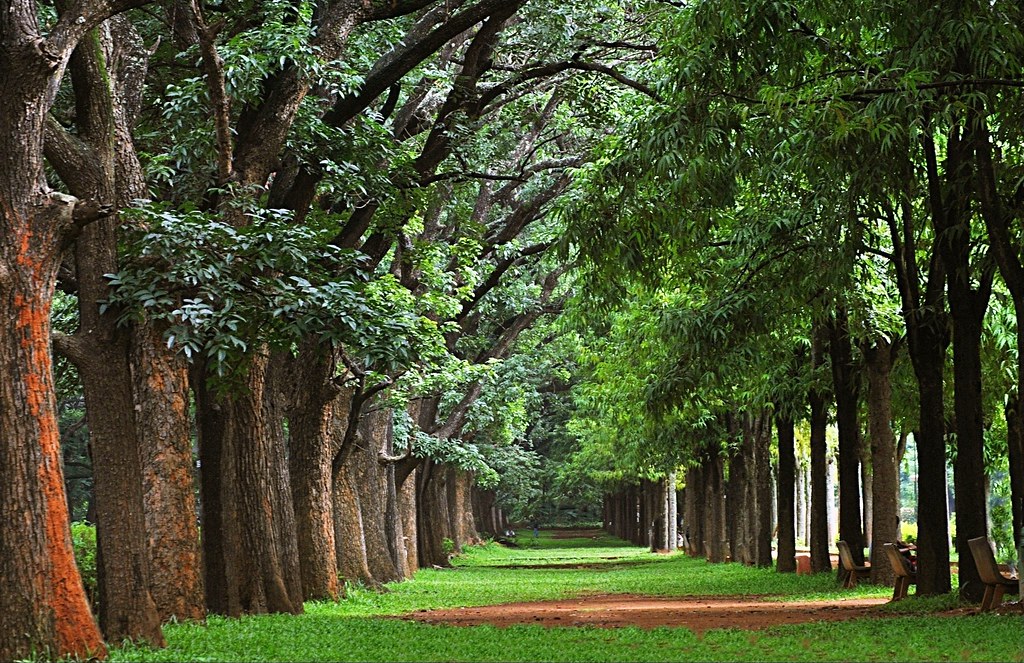 Cubbon Park, officially Sri Chamarajendra Park,is a landmark
park in Bengaluru, located in the heart of the city in the Central Business District. Originally
created in 1870 under Major General Richard Sankey, then British Chief Engineer of Mysore State,
it covered an area of 100 acres (0.40 km2). Subsequent expansion has since taken place and the
park's area is now reported to be 300 acres (1.2 km2). It has a rich recorded history of
abundant flora and fauna plantations coupled with numerous impressive and aesthetically located
buildings and statues of famous personages, in its precincts.
Cubbon Park, officially Sri Chamarajendra Park,is a landmark
park in Bengaluru, located in the heart of the city in the Central Business District. Originally
created in 1870 under Major General Richard Sankey, then British Chief Engineer of Mysore State,
it covered an area of 100 acres (0.40 km2). Subsequent expansion has since taken place and the
park's area is now reported to be 300 acres (1.2 km2). It has a rich recorded history of
abundant flora and fauna plantations coupled with numerous impressive and aesthetically located
buildings and statues of famous personages, in its precincts.
Lush urban oasis with spacious lawns for picnics and leisurely strolls, surrounded by historical
landmarks. Ideal for peaceful retreats and family outings amidst greenery.
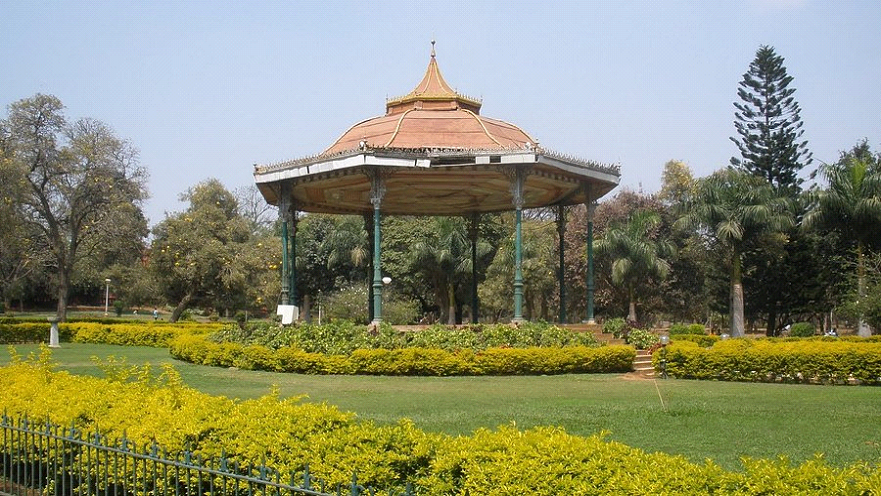
This public
park was first named as Meade's Park after Sir John Meade, the acting commissioner of Mysuru in
1870 and subsequently renamed as Cubbon Park after the longest-serving commissioner of the time,
Sir Mark Cubbon, when Meade left for a new assignment in Baroda in 1873. To commemorate the
Silver Jubilee of Sri Krishnaraja Wodeyar's rule in Mysore State, in 1927, the park was again
renamed as Sri. Chamarajendra Park, in memory of the 19th-century ruler of the state Sri
Chamarajendra Wodeyar (1868–94), during whose rule the park came into existence.
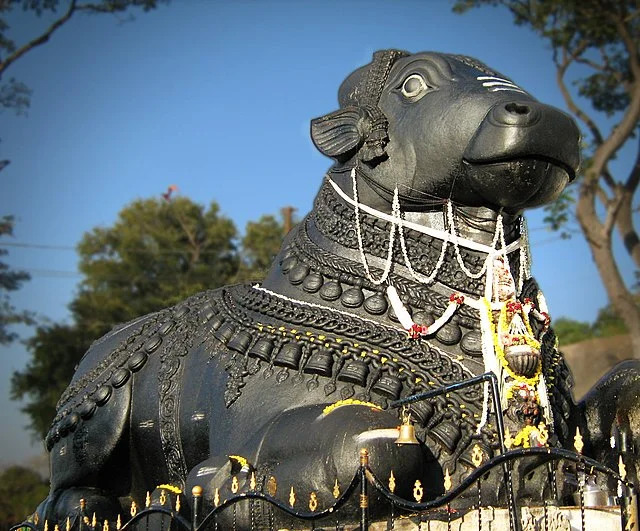 Dodda Basavana Gudi (the Nandhi Temple) is situated in Bull
Temple Road, Basavanagudi, area of South Bengaluru, part of the largest city of the Indian state
of Karnataka. The Hindu temple is inside a park called Bugle Rock.
Dodda Basavana Gudi (the Nandhi Temple) is situated in Bull
Temple Road, Basavanagudi, area of South Bengaluru, part of the largest city of the Indian state
of Karnataka. The Hindu temple is inside a park called Bugle Rock.
The bull referred to is a sacred Hindu demi-god, known as Nandi; Nandi is a close devotee and
attendant of Shiva. Dodda Basavana Gudi is said to be one of the biggest temple to Nandi in the
world. The stone monolith idol of Nandi is continually covered with new layers of butter, benne
in the local language of Kannada. There is an idol of the elephant-headed Hindu deity Ganesha
close by.
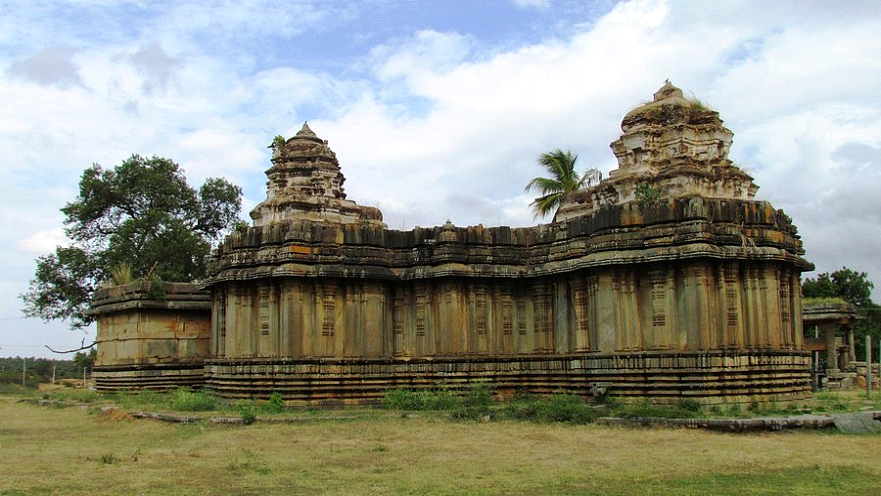
Tranquil
temple dedicated to Nandi presents a serene escape in the heart of the bustling Gandhi Bazaar.
Rich in local importance and home to India’s third-largest bull statue.
Other Places to Visit
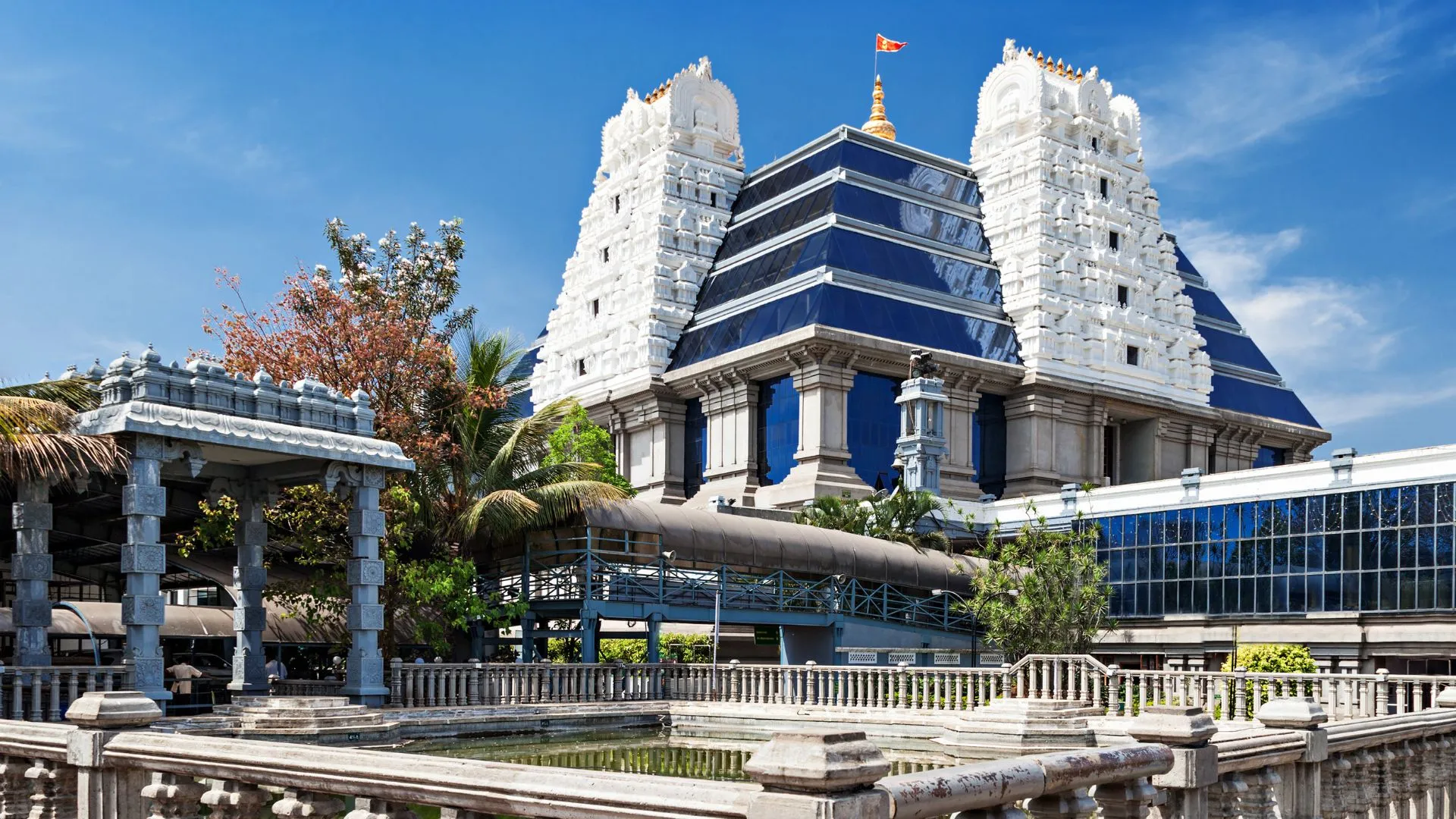 ISKCON Temple
Bengaluru is one of the largest Krishna-Hindu temples in the world. It is situated in Bengaluru
in the Indian state of Karnataka. The temple is dedicated to Hindu deities Radha Krishna and
propagates monotheism as mentioned in Chandogya Upanishad.
ISKCON Temple
Bengaluru is one of the largest Krishna-Hindu temples in the world. It is situated in Bengaluru
in the Indian state of Karnataka. The temple is dedicated to Hindu deities Radha Krishna and
propagates monotheism as mentioned in Chandogya Upanishad.
Serene temple complex with
spiritual ambiance and six shrines, providing space for meditation, darshan, and bhajans.
Includes a food court and tranquil areas for introspection.
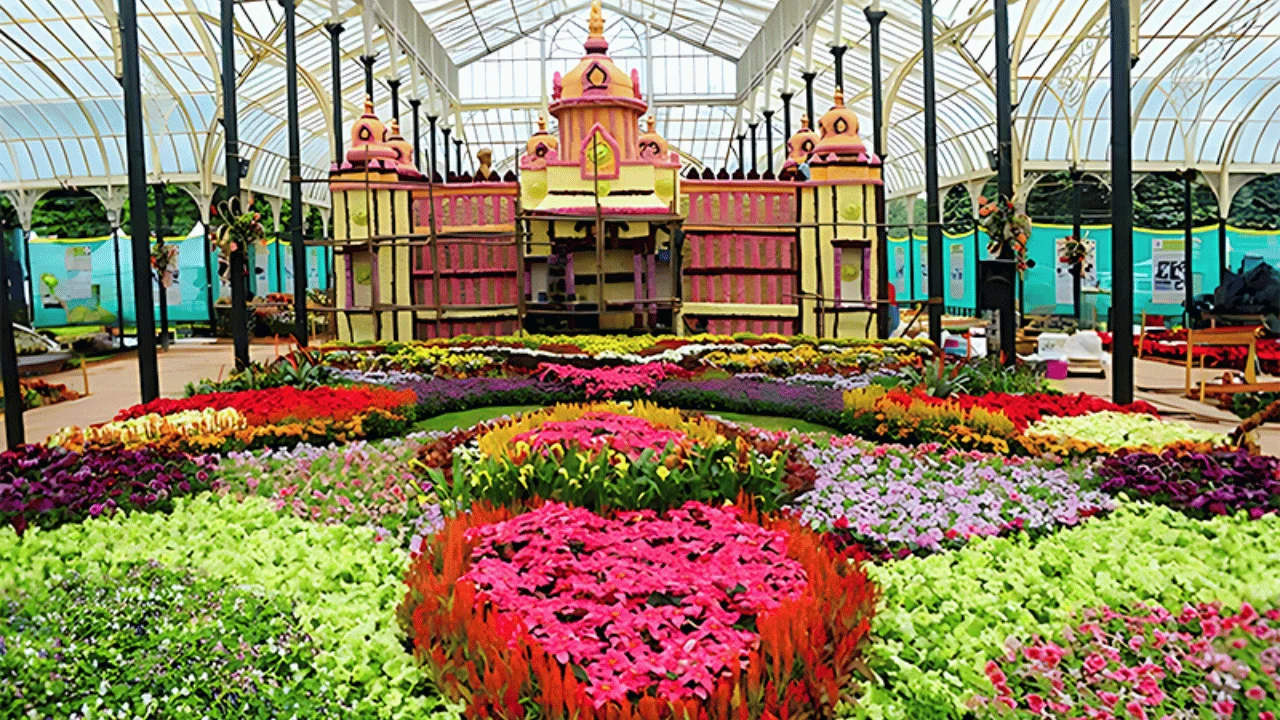 Lalbagh Botanical Garden or simply Lalbagh (lit. 'red garden'), is a botanical
garden in Bengaluru, India, with an over 200-year history. First planned and laid out during the
dalavaiship of King Hyder Ali, the garden was later managed under numerous British
superintendents before Indian Independence. It was responsible for the introduction and
propagation of numerous ornamental plants as well as those of economic value. It also served a
social function as a park and recreational space, with a central glass house dating from 1890
which was used for flower shows.
Lalbagh Botanical Garden or simply Lalbagh (lit. 'red garden'), is a botanical
garden in Bengaluru, India, with an over 200-year history. First planned and laid out during the
dalavaiship of King Hyder Ali, the garden was later managed under numerous British
superintendents before Indian Independence. It was responsible for the introduction and
propagation of numerous ornamental plants as well as those of economic value. It also served a
social function as a park and recreational space, with a central glass house dating from 1890
which was used for flower shows.
Tranquil botanical haven with diverse flora, a rose garden,
lake, and historical glass house, ideal for nature lovers and history enthusiasts.
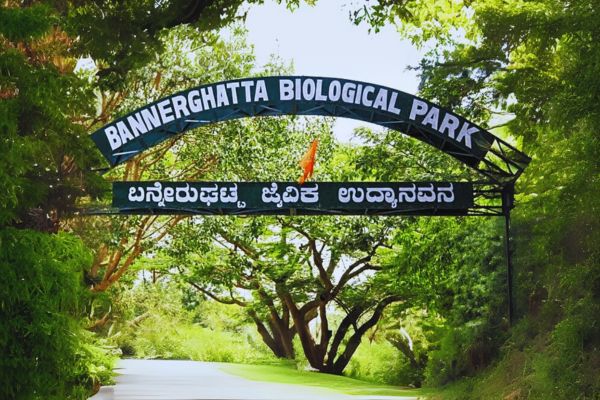 Bannerghatta Biological Park, also known as the Bannerghatta Zoo, is a zoological garden located
in the city of Bengaluru. It was initially a small zoo and picnic corner within Bannerghatta
National Park (BNP) which was started in 1974. The bifurcation of the Biological Park and the
National Park took place in 2002. The Bannerghatta Biological Park covers a total area of 731.88
hectares and includes a zoo, safari park, butterfly park and rescue centre.
Bannerghatta Biological Park, also known as the Bannerghatta Zoo, is a zoological garden located
in the city of Bengaluru. It was initially a small zoo and picnic corner within Bannerghatta
National Park (BNP) which was started in 1974. The bifurcation of the Biological Park and the
National Park took place in 2002. The Bannerghatta Biological Park covers a total area of 731.88
hectares and includes a zoo, safari park, butterfly park and rescue centre.
Wildlife Park featuring diverse animal encounters, including a safari through natural habitats
and a serene butterfly park. Enjoyable buggy rides available.
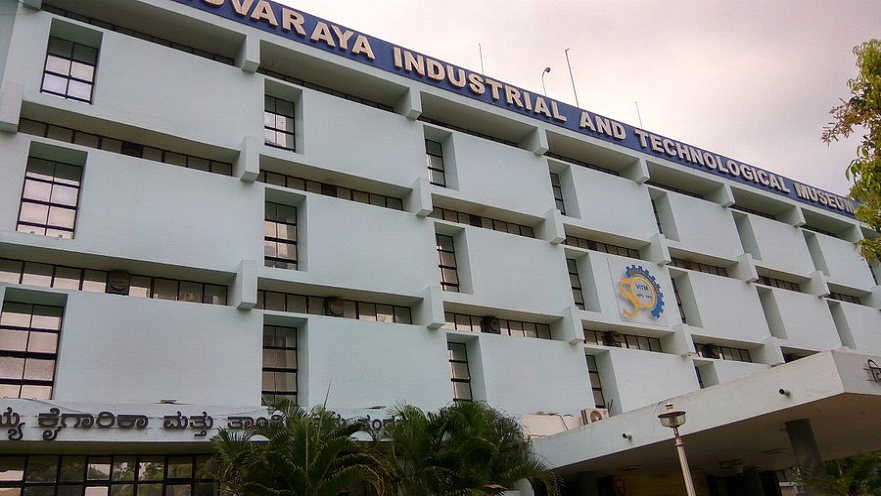 The
Visvesvaraya Industrial and
Technological Museum (VITM), Bangalore, India, a constituent unit of the National Council of
Science Museums (NCSM), Ministry of Culture, Government of India, was established in memory of
Sir M. Visvesvaraya. The 4,000 m2 (43,000 sq ft) building was constructed in Cubbon Park, and
was inaugurated by the first Prime Minister of India, Pandit Jawaharlal Nehru, on July 14, 1962.
The museum displays industrial products, scientific models and engines.
The
Visvesvaraya Industrial and
Technological Museum (VITM), Bangalore, India, a constituent unit of the National Council of
Science Museums (NCSM), Ministry of Culture, Government of India, was established in memory of
Sir M. Visvesvaraya. The 4,000 m2 (43,000 sq ft) building was constructed in Cubbon Park, and
was inaugurated by the first Prime Minister of India, Pandit Jawaharlal Nehru, on July 14, 1962.
The museum displays industrial products, scientific models and engines.
Interactive science and technology exhibits with hands-on activities, showcasing engines, space,
and natural phenomena. Features educational galleries and a Wright Brothers display.
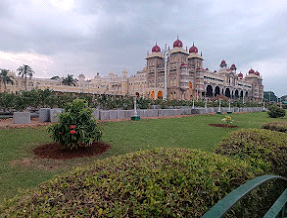 Mysore Palace, also known as Amba Vilas Palace, is a historical
palace and a royal residence. It is located in Mysore, Karnataka, India. It used to be the
official residence of the Wadiyar dynasty and the seat of the Kingdom of Mysore. The palace is
in the centre of Mysore, and faces the Chamundi Hills eastward. Mysore is commonly described as
the 'City of the Palaces', and there are seven palaces including this one. However, the Mysore
Palace refers specifically to the one within the new fort.
Mysore Palace, also known as Amba Vilas Palace, is a historical
palace and a royal residence. It is located in Mysore, Karnataka, India. It used to be the
official residence of the Wadiyar dynasty and the seat of the Kingdom of Mysore. The palace is
in the centre of Mysore, and faces the Chamundi Hills eastward. Mysore is commonly described as
the 'City of the Palaces', and there are seven palaces including this one. However, the Mysore
Palace refers specifically to the one within the new fort.
The land on which the palace now stands was originally known as mysuru (literally, "citadel").
The first palace inside the Old Fort was built in the 14th century, which was set ablaze and
reconstructed multiple times. The Old Fort was built of wood and thus easily caught fire, while
the current fort was built of stone, bricks and wood. The current structure was constructed
between 1897 and 1912, after the Old Palace burnt down, the current structure is also known as
the New Fort. Mysore Palace is one of the most famous tourist attractions in India, after the
Taj Mahal, with more than three million annual visitors as on 2014.
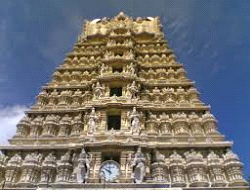 The
Chamundeshwari
Temple is a Hindu temple located on the top of Chamundi Hills about 13 km from the palace city
of Mysuru in the state of Karnataka in India.[1] The temple was named after Chamundeshwari or,
the fierce form of Shakti, a tutelary deity held in reverence for centuries by the Maharaja of
Mysuru.
The
Chamundeshwari
Temple is a Hindu temple located on the top of Chamundi Hills about 13 km from the palace city
of Mysuru in the state of Karnataka in India.[1] The temple was named after Chamundeshwari or,
the fierce form of Shakti, a tutelary deity held in reverence for centuries by the Maharaja of
Mysuru.
Chamundeshwari is called by the people of Karnataka as Nada Devi (ನಾಡ ದೇವಿ), which
means state Goddess. It is situated at the elevation of around 3300 ft from the mean sea level.
It is believed that Goddess Durga slayed the demon king Mahishasura on the top of this hill
which was ruled by him. The place was later known as Mahishooru (Place of Mahisha). The British
changed it to Mysore and later Kannadized into Mysuru.
The Chamundeshwari Temple is considered as a Shakta pitha and one among the 18 Shakta pithas. It
is known as Krouncha Pitha as the region was known in Puranic times as Krouncha Puri. It is said
that the hair of Sati fell here.